


Jack Kenworthy edits Queer In The World and has written more than 800 of our guides, drawing on travels through 250+ cities, from Copenhagen and Venice to Cairo and Jaipur. He packs carry-on only (lesson learned when his bag took its own holiday during Sydney Pride), and every guide pairs the best bars, saunas and beaches with the local laws and safety notes queer travelers actually need.
At Mighty Hoopla, the songs you once played alone in your bedroom become a public language. A girl-group chorus can do as much work as a headliner: it identifies your people, opens a conversation and makes a park full of strangers briefly feel familiar. For queer travelers, that is a good reason to build a London weekend around a music festival.
I returned in 2024, 2025 and 2026 after my original 2019 visit, and that attachment is personal. Kesha’s 2025 performance felt like a comeback moment: she gave it everything, and my memory of the set is almost religious. It was the feeling of an artist being emphatically back, shared with an audience that wanted her there.
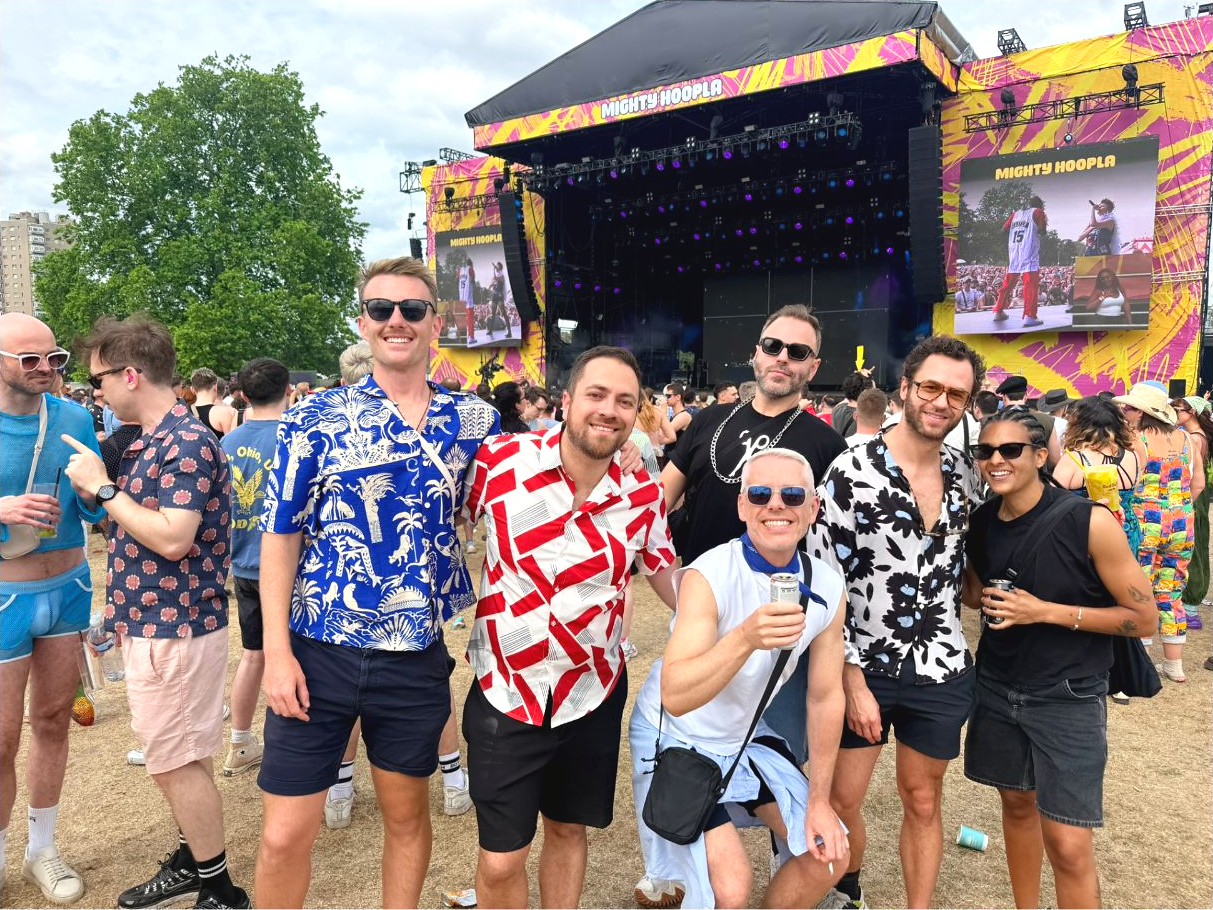
In 2026, hearing Lily Allen perform West End Girl in full was the performance that reached me most deeply: mind-blowing, and felt in my soul. Scissor Sisters, with Jake Shears, brought another kind of joy—the pleasure of seeing queer pop icons together with a crowd who understood the references. I also loved the Lidl-sponsored stage in 2026: the supermarket connection felt wonderfully random, camp and fun. Small, unexpected discoveries like that are a large part of why Hoopla remains worth traveling for. The photographs combine our earlier coverage with images from the 2025 and 2026 editions; the personal memories here span clearly dated visits.


From the club to the park
The organisers trace Hoopla back to a 2016 Butlin’s weekender, bringing together Sink the Pink and Guilty Pleasures. The outdoor London festival followed at Victoria Park in 2017, moved to Brockwell Park in 2018 and expanded to two days in 2022. Its club origins help explain why the spaces between headline performances matter so much.

A club night knows that recognition is powerful. It also knows when to interrupt it: a different rhythm, a performer who changes the room, a record that sends you off to find out who made it. Hoopla’s best programming gives those discoveries a place alongside the songs people have traveled specifically to hear.
The name Guilty Pleasures invites an obvious question: guilty according to whom? Pop listeners have spent enough time being told that pleasure is embarrassing unless dressed up as irony. At a queer pop festival, enthusiasm can stand on its own. You can care about the choreography and the production as well as the chorus.

What the 2019 bill tells us
Our earlier article highlighted Chaka Khan, All Saints, Jamelia and Bananarama, alongside Sink the Pink, Gok Wan and club takeovers. The attraction lay in the range of musical memories the bill could bring together. Different generations of pop history sat within the same day, connected by what the audience brought to them.
Chaka Khan’s place in that picture reaches through funk, soul and dance music. All Saints offer a different kind of familiarity: close harmonies, an understated cool and songs embedded in late-1990s and early-2000s listening. Bananarama’s bright, direct pop makes another invitation. These are distinct musical pleasures; their coexistence is the point.
The 2019 program also included Tove Lo, Confidence Man and Ultra Naté. Those names complicate the idea of Hoopla as a nostalgia package. Pop provocation, physical dance music and a voice associated with house music could sit beside returning favorites. A listener could arrive with a very particular attachment and leave with a new one.
That is how we would approach the festival now: identify the performances you refuse to miss, then leave some space for an unfamiliar name. A timetable packed solid from the outset can turn discovery into an administrative inconvenience.


Queer culture belongs in the program
Our 2019 coverage named Hungama, Guilty Pleasures, Massaoke and U OK Hun? among the parties and takeovers. A collective can bring its own references, audience and ways of performing into a festival; those contributions help determine whose version of queer nightlife is visible.
Hungama’s Bollywood and hip-hop connection, for example, broadens the musical conversation beyond the same handful of Western pop icons. Sink the Pink brings drag and performance into that conversation. The useful question for a visitor is what each space offers, rather than whether it supplies a suitable backdrop for a photograph.
Drag performers are artists working a crowd, sustaining a character and interpreting music. Their contribution deserves to be understood on those terms. When a festival makes room for that work alongside recording artists, it can change how familiar material is heard.
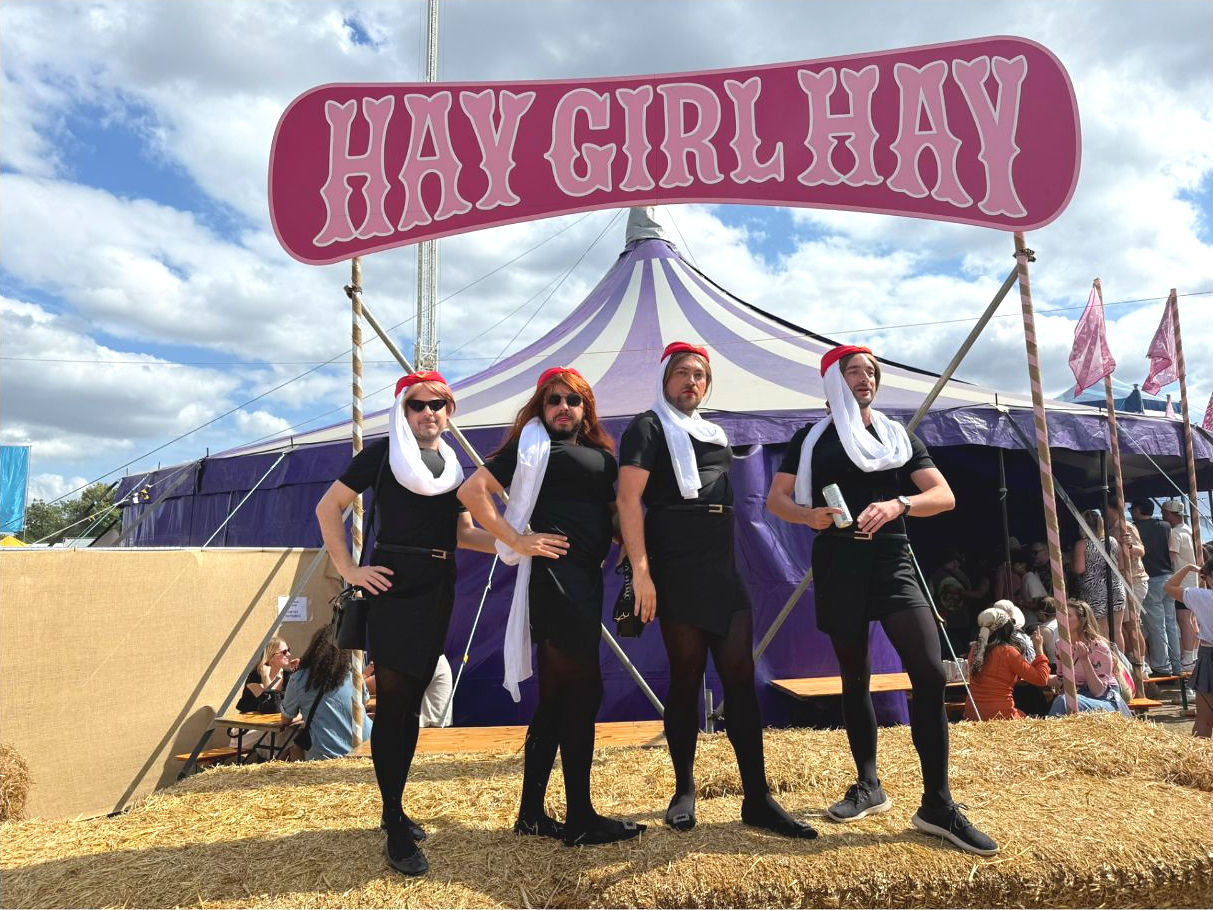
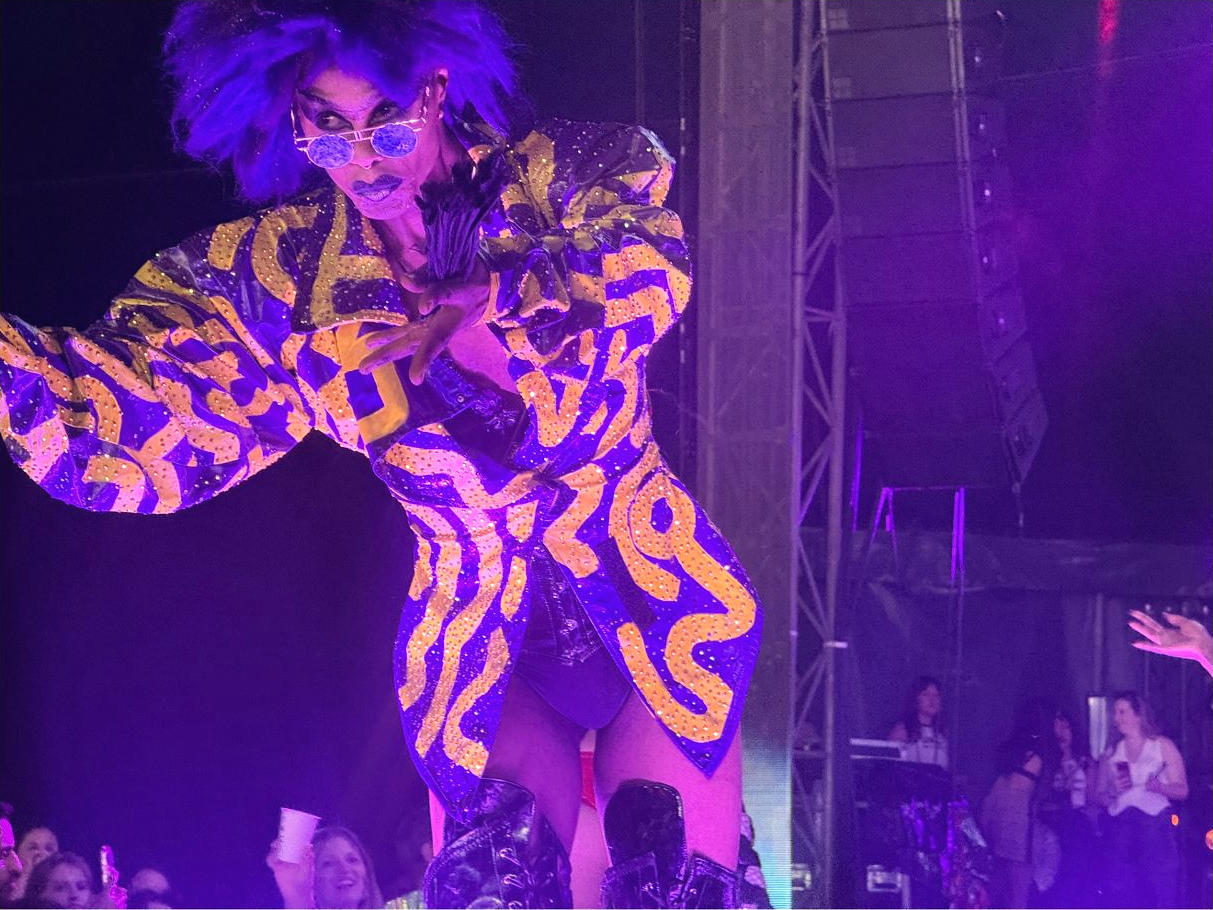

A festival that has kept moving
The 2024 program paired Nelly Furtado and Jessie Ware as headliners, bringing established pop careers and dancefloor-focused work into the same weekend. My later visits reinforced my sense that Hoopla can catch an artist at a moment when the connection with a queer audience feels especially charged. That connection is part of what keeps bringing me back.

In 2025, the announced program brought Ciara and Kesha together with JADE and Loreen. Queertopia included Moonchild Sanelly, Hannah Diamond and Majur, while The Bump’s bookings included Jayda G and Elkka. The later announcements show how the musical conversation has continued beyond the edition documented in our original coverage.
What matters is the room the festival gives these strands. An emerging queer performer should be more than an opening act in someone else’s nostalgia. A dance arena needs its own musical reason to exist. The strength of a visit depends partly on whether you explore those parts of the program as deliberately as the main stage.

Pop that makes room for different feelings
Robyn’s work can hold loneliness and physical release in the same song. In a 2019 interview with Chris Azzopardi, she discussed her connection to a queer musical tradition of melody and melancholy, while resisting the idea that LGBTQ+ listeners all respond alike. That distinction matters here. A crowd can share a chorus without sharing an identical history.
The best reason to study a Hoopla bill is to find those different emotional temperatures. A tightly choreographed group performance, a vulnerable electronic-pop song and a house set invite different kinds of participation. There is no need to pretend every performance will produce the same feeling.
Look beyond the headliners and give the smaller stages time. Which artists connect the pop audience to club music, and which performances might become the discovery people talk about afterwards?

Making a London weekend of it
Hoopla’s London setting is a substantial part of its appeal. You can combine a full festival day with a city visit and sleep in a proper bed afterwards. That makes it particularly attractive if your friends have different appetites for live music, museums, shopping and late nights.
For a two-day ticket, we would arrive before Saturday if possible and avoid an early departure on Monday. Give yourself time to settle in, eat and work out your route. An extra day in London is more enjoyable when it does not double as a recovery exercise with luggage.
Choose accommodation by the journey you will actually make after the festival. A glamorous postcode is less helpful than a workable route back. Check Transport for London’s journey planner and planned works close to the date; do not base a booking on an old festival entrance map or an assumed late-night connection.
Our Gay London guide is the starting point for the rest of the trip. Plan any club or performance visit around its own current program and booking requirements. A London nightlife recommendation is not automatically an official Hoopla afterparty.

Enjoying it on your own terms
Hoopla’s queer identity is central to its appeal, but no large event can guarantee that every person will feel equally comfortable at every moment. Crowds, sound levels, weather and long periods on your feet are practical considerations. They deserve as much thought as an outfit.
Wear what makes the day enjoyable for you. A spectacular outfit is an option, not an obligation. Shoes you can walk in, a weather plan and a meeting point with friends tend to repay the attention.
If you have access requirements, read the organiser’s current access guide before booking and discuss arrangements directly with the access team. Confirm the process for carer or personal-assistant tickets before buying separately; arrangements can change between editions.
Nor does a festival weekend have to include every possible afterparty. Two long days of music are enough of an itinerary. Choosing a quiet meal or heading back to your accommodation does not mean you have failed to experience queer London.

Planning your Mighty Hoopla weekend
Hoopla’s 10th-anniversary edition is set for Saturday 5 and Sunday 6 June 2027 at Brockwell Park. Robyn headlines the Saturday and The Pussycat Dolls close the Sunday, with Kelis, Jordin Sparks and Sophie Ellis-Bextor among the first wave announced in November 2026 and more acts still to come. Check the festival’s official website for the full lineup, age restrictions and opening hours. Follow its ticket links for availability, final prices, fees and terms rather than relying on a launch price or an old resale listing.

Check whether you are buying one day or the full weekend, and what any extras include. Deposit deadlines, resale rules and access arrangements belong to the particular edition and ticket type. Read those conditions before committing to travel.
The pleasure of Hoopla is the chance to take your musical attachments seriously in company. Bring your favorites, give an unfamiliar performer a proper listen and leave room for a change of plan. That is a better starting point than trying to manufacture the perfect festival weekend in advance.

For outfit inspiration, explore our LGBT fashion guide and shoe ideas, or choose a thong or jockstrap if that is your style.
FAQ: Mighty Hoopla
When is Mighty Hoopla 2027?
Saturday 5 and Sunday 6 June 2027, at Brockwell Park in south London. It’s the festival’s 10th anniversary edition.
Who is headlining Mighty Hoopla 2027?
Robyn headlines on Saturday and The Pussycat Dolls close the weekend on Sunday. More acts are announced in waves, so check the official line-up before you book.
Is Mighty Hoopla an LGBTQ+ festival?
It isn’t LGBTQ+-only, but it’s one of the queerest festivals in Europe: pop divas, drag, cabaret and a huge LGBTQ+ crowd. Everyone is welcome, and it’s strictly 18+.
Where is Mighty Hoopla held?
Brockwell Park, Norwood Road, Herne Hill, London SE24 9BJ. Herne Hill and Brixton are the closest stations.


